Parking lots are one of the most overlooked areas when it comes to commercial security. Across El Cajon and San Diego County, many businesses invest heavily in interior security while leaving exterior parking areas under-monitored. Unfortunately, this is where a large number of thefts, assaults, and liability incidents occur.
Understanding the risks associated with unsecured parking lots is essential for protecting customers, employees, and property.
Why Parking Lots Are High-Risk Areas
Parking lots combine several risk factors: open access, limited supervision, and predictable activity patterns. Criminal activity often occurs during low-visibility hours such as early mornings or late evenings.
Common issues in poorly secured parking lots include:
- Vehicle break-ins and theft
- Vandalism and property damage
- Unauthorized loitering
- Assaults or confrontations
- Slip-and-fall liability claims
In busy commercial areas of El Cajon, these risks increase when lighting, surveillance, or patrol presence is inadequate.
Security Risks Businesses Commonly Overlook
1. Poor Lighting Coverage
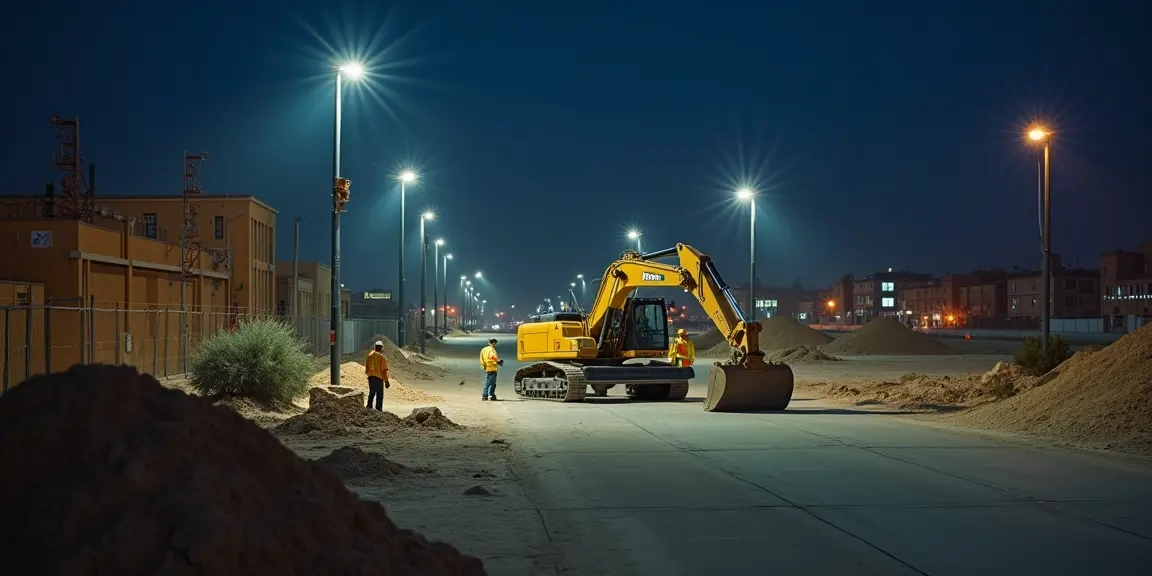
Dark areas create ideal conditions for criminal activity. Inadequate lighting reduces visibility and increases safety concerns for customers.
2. Lack of Visible Security Presence
Security cameras alone are not always enough. Without active monitoring or patrols, incidents often go unnoticed until after damage has occurred.
3. Uncontrolled Access Points
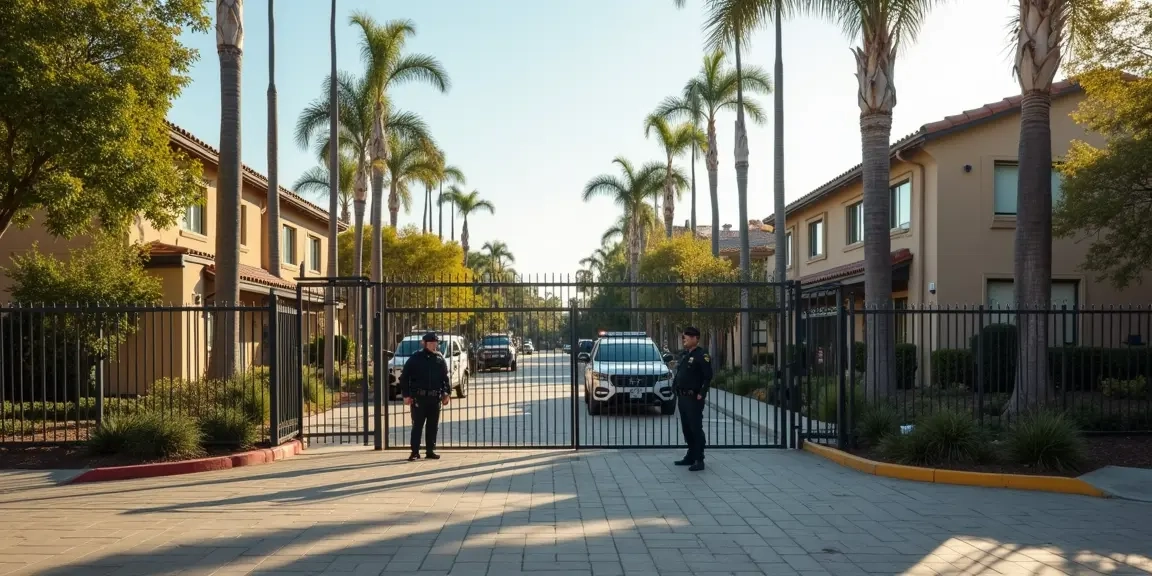
Open or unmarked entrances allow unauthorized vehicles and individuals to enter without detection.
4. No Incident Response Plan
Many businesses lack a clear response protocol when an incident occurs in the parking lot, increasing liability and response time.
How Professional Parking Lot Security Reduces Risk
Professional security services address these vulnerabilities through a layered approach.
Mobile Security Patrols
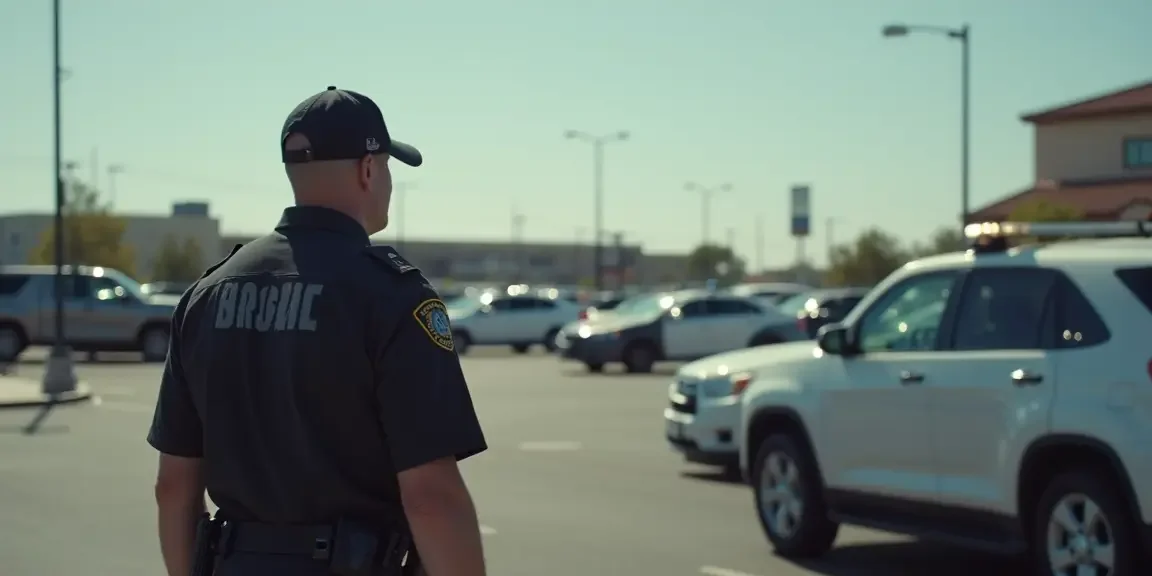
Patrol officers conduct routine and randomized checks, monitor suspicious activity, and provide a visible deterrent.
Parking Enforcement Services
Unauthorized parking and abandoned vehicles can create safety hazards. Parking enforcement ensures compliance and clear access.
On-Site Security Guards
High-traffic businesses benefit from stationed guards who assist customers, monitor entrances, and respond immediately to incidents.
Alarm Response and Incident Management
Parking lot security becomes significantly more effective when integrated with alarm response services. If a sensor or camera detects suspicious activity, trained personnel can respond immediately.
According to the Bureau of Justice Statistics, well-lit and actively monitored parking facilities experience significantly lower crime rates.
Securing Parking Lots in El Cajon and San Diego County
Solace Security Services provides tailored parking lot security solutions for retail centers, offices, healthcare facilities, and commercial properties throughout El Cajon and San Diego County.
By addressing overlooked vulnerabilities and implementing proactive patrol strategies, businesses can reduce incidents, improve customer confidence, and minimize liability exposure.
Frequently Asked Questions
1. Why are parking lots common targets for crime?
Parking lots are common targets because they are open-access areas with limited supervision, poor lighting, and predictable activity patterns.
2. Is parking lot security necessary for small businesses?
Yes, small businesses often face the same parking lot risks as larger properties and can benefit from mobile patrols or scheduled security checks.
3. What type of security is best for parking lots?
Mobile patrol security combined with proper lighting and parking enforcement is often the most effective solution for parking lots.
4. Can security guards help reduce liability in parking areas?
Yes, professional security guards help reduce liability by monitoring activity, assisting customers, and responding quickly to incidents.
5. How often should parking lots be patrolled?
Patrol frequency depends on business hours, location, and risk level. Many San Diego businesses use multiple patrols during peak and after-hours periods.